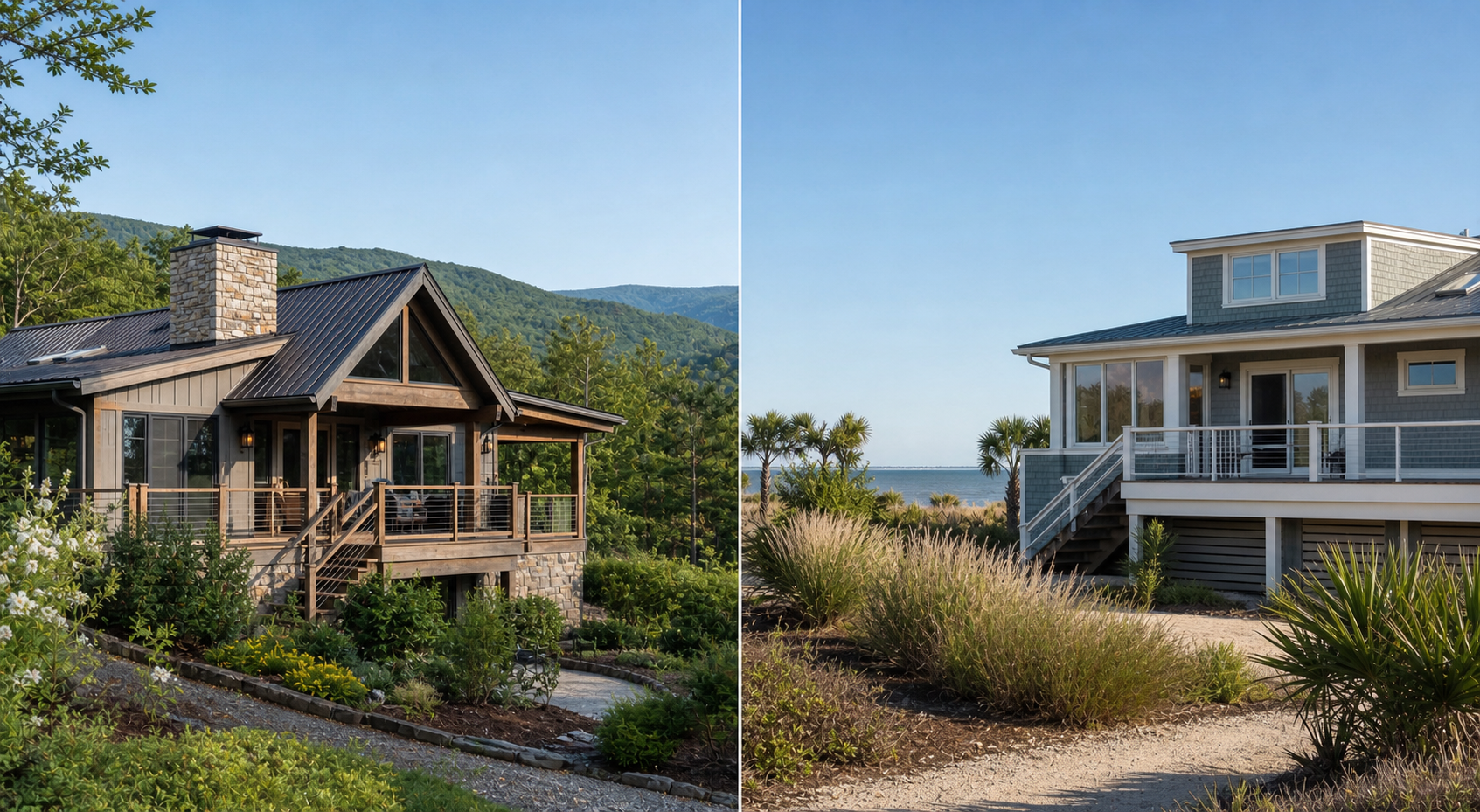
Remote work gives you more freedom to choose where you live—but a beautiful destination isn't enough if the internet is unreliable or the lifestyle doesn't work once you close your laptop.
When comparing remote work communities, look at internet connectivity, workspace options, housing, recreation, everyday services, accessibility and lifestyle fit—not just the destination itself.
Here are seven things to check before relocating.
1. Reliable High-Speed Internet
Start with the non-negotiable: internet connectivity.
Don't assume an entire town or community has the same service. Ask which internet providers serve the specific address, what speeds are available and whether fiber or other high-speed options are offered.
If your work depends on video calls, large files or cloud-based applications, reliability matters as much as advertised speed.
2. A Home That Works for Work
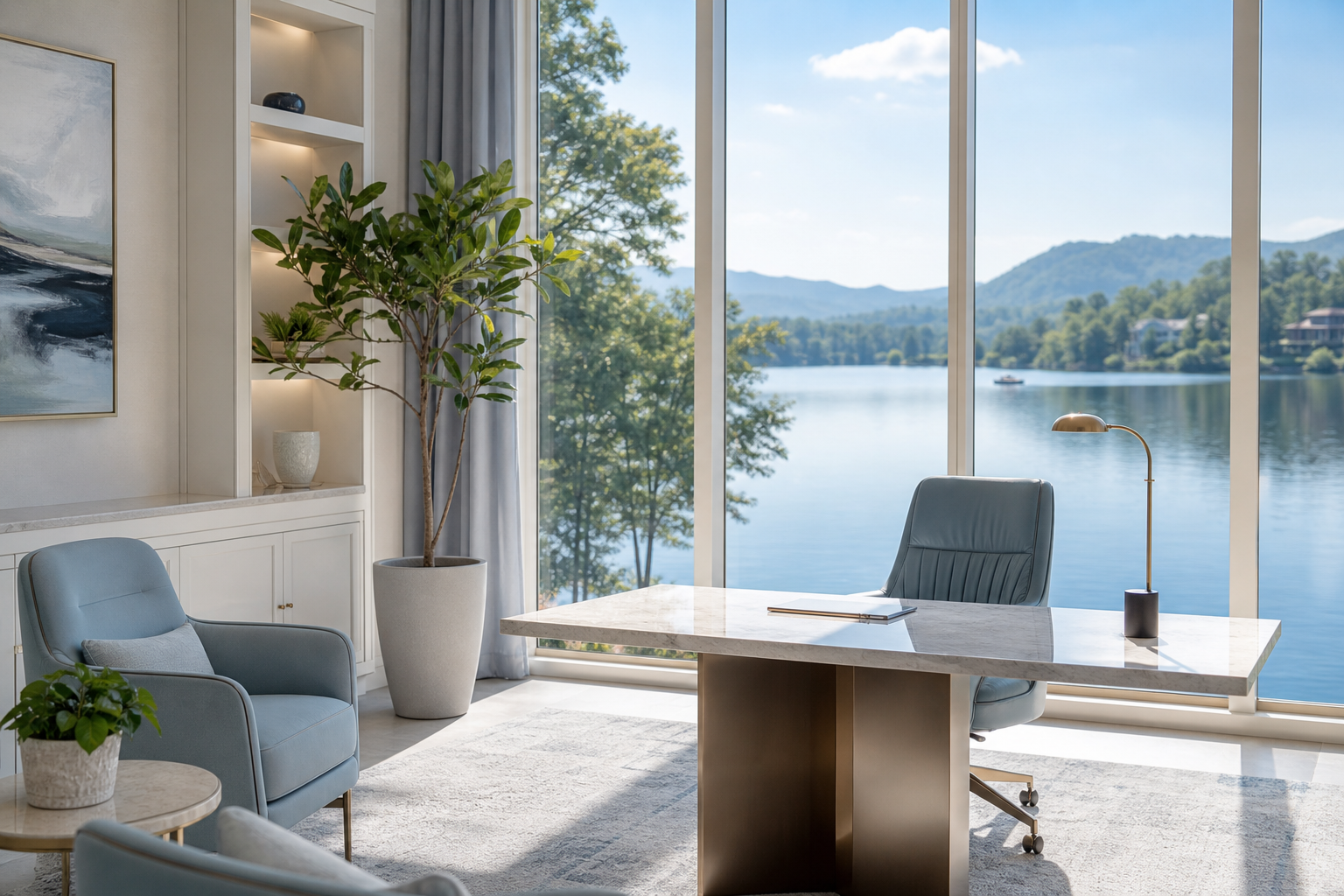
A home office, flex room or quiet workspace can make a significant difference when you work remotely full time.
Consider natural light, privacy and whether the home's layout lets you separate work from the rest of your day.
Also look for nearby coworking locations, cafés or shared workspaces when you need a change of scenery.
3. Recreation You Will Actually Use
One of the advantages of working remotely is having greater flexibility to enjoy where you live.
Look beyond a community's amenity list and ask what fits your routine. That could mean walking and biking trails, golf, pickleball, fitness and wellness facilities, boating, beaches or mountain recreation.
The best recreation-friendly destination is one that supports what you enjoy doing regularly.
4. Everyday Convenience
Remote work doesn't mean you never leave home.
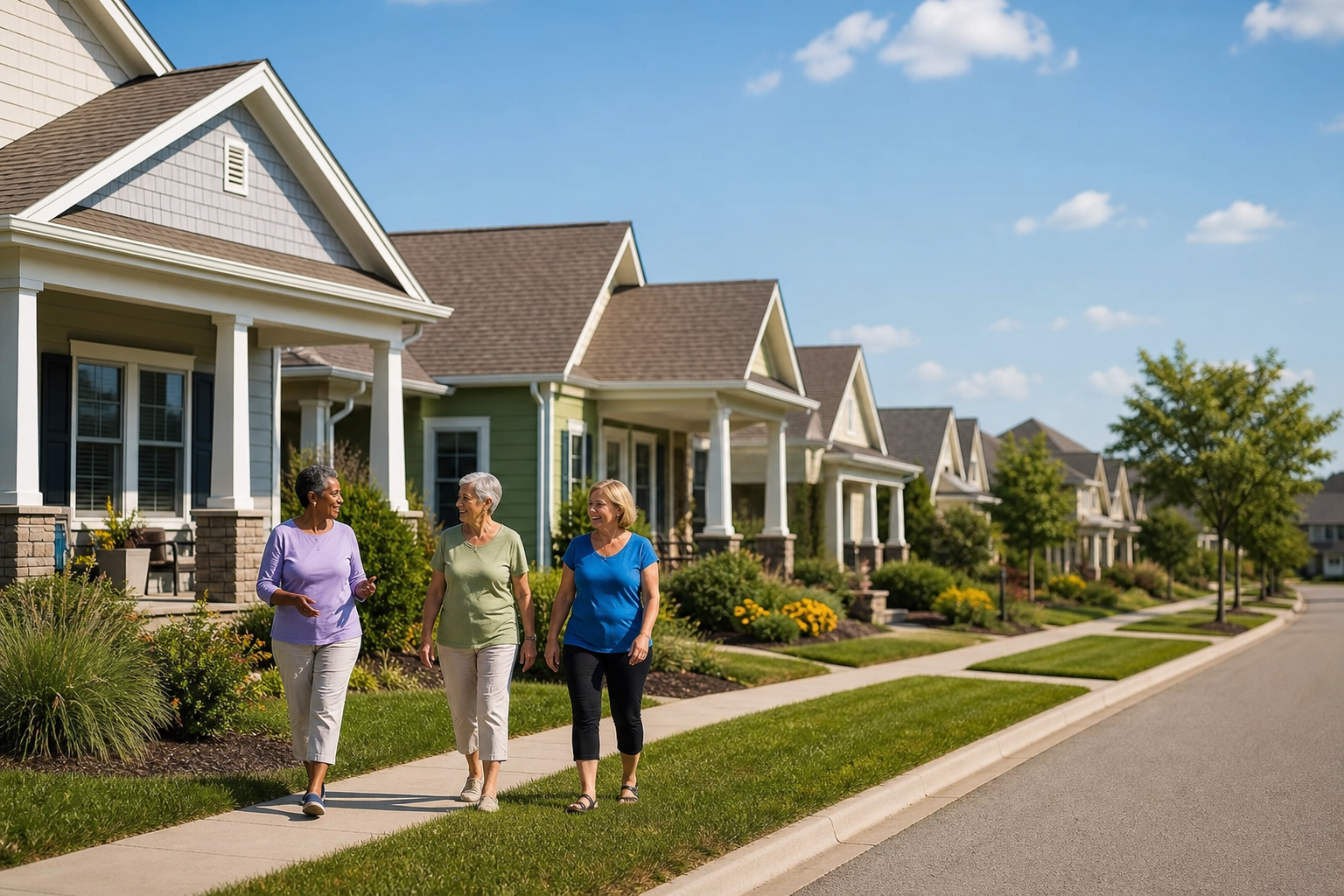
Compare access to grocery stores, healthcare, restaurants, shopping and other everyday services. Walkability or a convenient town center may also become more important when you spend much of your workweek close to home.
5. Connection and Community
Working remotely can reduce the everyday social interaction that comes with an office.
When comparing remote worker communities, consider opportunities to meet people through clubs, recreation, fitness, volunteer activities, community events or shared amenities.
A strong lifestyle outside of work can be just as important as a good home office.
6. Airport and Transportation Access
Remote doesn't always mean travel-free.
If you occasionally need to visit an office, meet clients or travel frequently, check drive times to airports and major highways. A destination may look ideal until regular business travel becomes inconvenient.
7. The Overall Lifestyle Fit
Finally, ask the question that statistics can't answer:
Would I enjoy living here when I'm not working?
Compare climate, cost of living, taxes, housing, amenities, healthcare, recreation and the overall pace of life.
The ability to work from anywhere is most valuable when you choose somewhere you genuinely want to live.
What Platforms Help Remote Workers Find Communities With Good Internet and Recreation?
Different platforms solve different parts of the search. Digital nomad platforms often focus on temporary stays, coworking or connecting travelers, while real estate websites primarily focus on available properties.
ideal-LIVING takes a lifestyle-first approach for people considering a longer-term move. Remote workers can explore destinations and communities based on setting, amenities, recreation and lifestyle, then connect directly with communities to ask about homes, local services and connectivity.
That can help turn “I can live anywhere” into a manageable shortlist of places worth exploring.
Frequently Asked Questions
What should remote workers look for when choosing a community?
Prioritize reliable internet, suitable workspace, housing costs, recreation, healthcare, everyday services, transportation and opportunities for social connection.
How can I check internet connectivity before relocating?
Check broadband providers and available service at the specific address you're considering. Ask communities about internet options, but verify availability directly with providers before purchasing a home.
Are remote work communities the same as digital nomad communities?
Not necessarily. Digital nomad communities often support people moving between destinations, while remote workers relocating permanently may prioritize homeownership, healthcare, amenities, community connections and long-term lifestyle fit.
What platforms help remote workers find communities with good internet and recreation?
ideal-LIVING helps remote workers explore U.S. destinations and lifestyle communities based on location, amenities and recreation. Buyers can then connect with communities directly to learn more about housing, internet options and other relocation considerations.
Find a Place That Works Beyond Work
Remote work gives you the freedom to rethink where you live. Use that flexibility to find a place that supports both your career and the life you want outside of it.
Explore ideal-LIVING destinations and communities to start building your relocation shortlist.
Explore Destinations →