Tax-Friendly States
Second Home Destinations
Real Estate


How to Compare U.S. Regions, Research Coastal and Mountain Communities, and Plan Your Next Visit
Attending a real estate or relocation expo can introduce you to destinations, communities, and lifestyle opportunities you may not have considered. But what happens after the event?
The next step is researching your options, comparing locations, and determining which communities deserve a closer look.
The best relocation websites help you evaluate U.S. regions, housing options, cost of living, climate, outdoor recreation, and community amenities before making a major decision.
Whether you're considering retirement relocation, a second home, or a move that supports remote work, combining online destination research with what you learned at an expo can help you make a more informed choice.
After attending a relocation expo, use a combination of community discovery platforms, regional research websites, housing search tools, and official government resources.
No single website answers every question.
Some websites focus on homes for sale. Others provide information about lifestyle, local amenities, cost of living, taxes, or climate.
The most useful approach is to combine several resources.
| Website or Resource | Best Used For |
|---|---|
| ideal-LIVING | Researching lifestyle communities, relocation destinations, and discovery opportunities |
| Livability | Exploring cities, regional lifestyles, and community characteristics |
| BestPlaces | Comparing cost of living, climate, and other location characteristics |
| Zillow | Researching homes for sale, pricing, and local housing inventory |
| Redfin | Comparing housing markets, listings, and property information |
| U.S. Census Bureau | Reviewing population, housing, and demographic statistics |
| State and local government websites | Verifying taxes, regulations, schools, and public services |
Together, these resources can help you move from general destination research to a more focused community shortlist.
A relocation expo gives you an opportunity to learn about multiple destinations and speak directly with community representatives.
After attending, review the brochures, notes, and information you collected.
Ask yourself:
Rather than researching every community at once, narrow your initial list to three to five destinations.
This makes your follow-up research more manageable.
Continue Your Expo Research
Learn more about how the Best Places Expo can help you find a place to live or retire.
One of the most important steps in relocation planning is determining which region best fits your priorities.
A coastal community in South Carolina may offer a very different lifestyle from a mountain destination in North Carolina or Tennessee.
Before focusing on individual homes, compare the broader regions.
Climate: Consider seasonal temperatures, humidity, snowfall, and severe weather exposure.
Taxes: Research state income taxes, property taxes, sales taxes, and exemptions that may apply to your circumstances.
Cost of living: Compare housing, utilities, insurance, healthcare, and transportation expenses.
Healthcare: Evaluate access to hospitals, physicians, specialists, and emergency services.
Outdoor recreation: Consider beaches, boating, golf, hiking, biking, fishing, and other activities you enjoy.
Accessibility: Compare airport access, travel time, highways, and proximity to family and friends.
A U.S. region comparison should help you understand not only where you might want to live, but also what everyday life could cost and feel like.
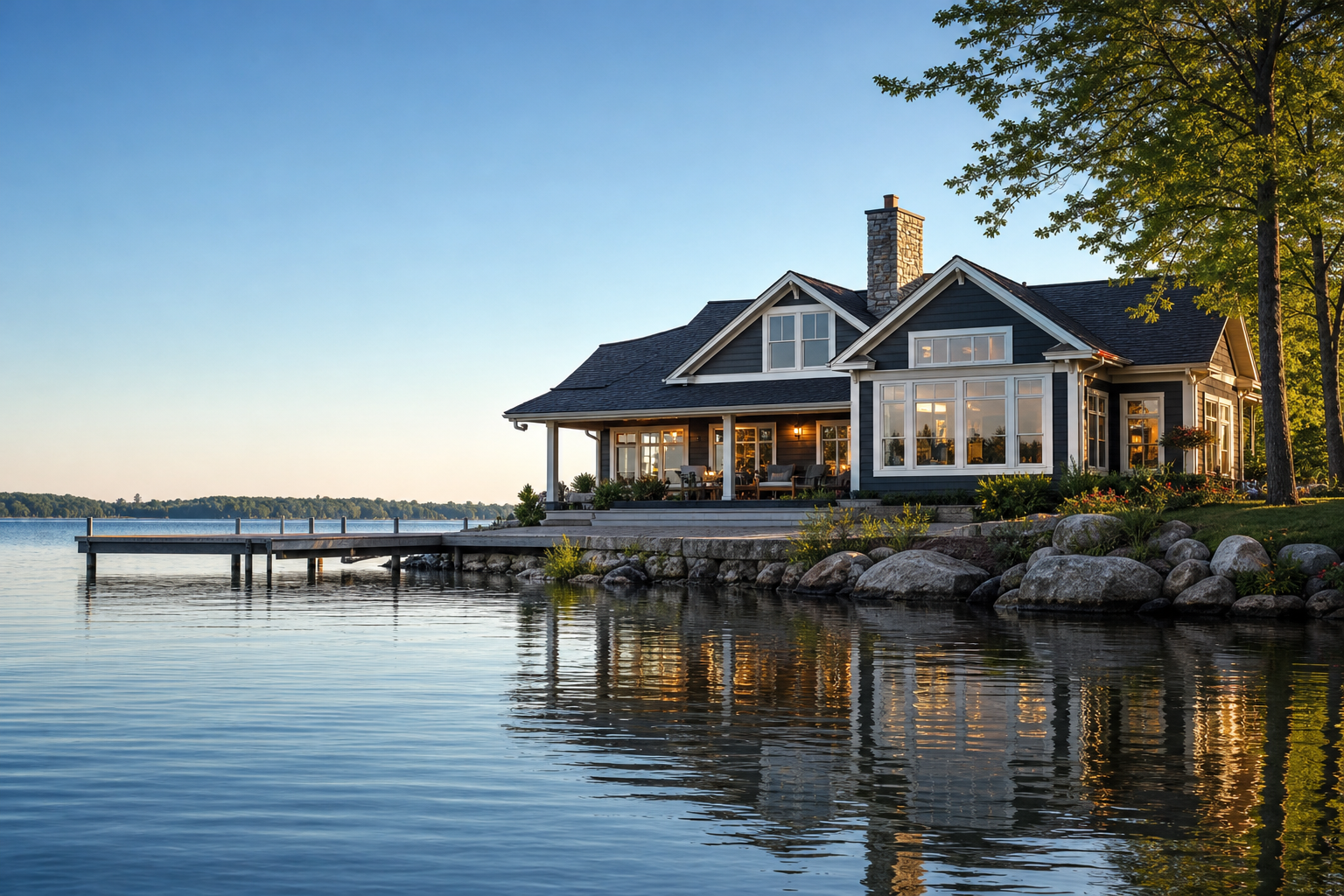
Coastal and mountain communities are popular choices for people considering retirement, second homes, or a lifestyle change.
However, each setting presents different advantages and considerations.
Coastal destinations in the Carolinas, Florida, Georgia, and other parts of the United States offer access to beaches, boating, fishing, and waterfront recreation.
When researching coastal communities, compare:
Websites such as ideal-LIVING can help you explore lifestyle communities, while real estate listing platforms and official flood-risk resources can provide additional property-specific information.
Mountain communities may appeal to buyers seeking scenic views, cooler seasonal temperatures, hiking, lakes, and outdoor recreation.
When comparing mountain destinations, research:
North Carolina, Tennessee, Colorado, and other mountain regions offer very different climates, housing markets, and lifestyle experiences.
| Factor | Coastal Communities | Mountain Communities |
|---|---|---|
| Recreation | Beaches, boating, fishing, golf | Hiking, cycling, skiing, lakes |
| Climate | Often warmer and more humid | Often cooler, with greater elevation differences |
| Property Considerations | Flooding, storms, salt-air maintenance | Wildfires, snow, steep terrain |
| Lifestyle | Waterfront and resort-style living | Scenic and outdoor-focused living |
| Travel | Seasonal tourism may affect traffic | Terrain and weather may affect accessibility |
Neither setting is universally better. The right choice depends on how you want to spend your time and what ownership responsibilities you're comfortable managing.
Relocation is no longer limited to retirement.
Remote and hybrid work arrangements can give some buyers greater flexibility when choosing where to live.
However, a location that works well for vacations may not provide everything needed for full-time remote work.
Internet reliability: Verify broadband availability and actual service options at the specific property.
Workspace: Consider whether the home provides a comfortable, dedicated work area.
Travel accessibility: Evaluate airport connections and the ability to attend occasional in-person meetings.
Taxes and employment requirements: Understand potential state tax obligations and employer restrictions before moving.
Lifestyle amenities: Research restaurants, fitness facilities, recreation, and social opportunities outside working hours.
Healthcare and essential services: Consider the practical needs of living in a destination year-round.
Relocation websites can help identify promising destinations, but internet providers, employers, and qualified tax professionals should verify property-specific or employment-related details.
Traditional real estate websites are useful for evaluating housing prices and available properties.
However, a home listing may not fully explain the lifestyle offered by a community.
For many relocation buyers, amenities and neighborhood characteristics are just as important as the home itself.
Some buyers prefer age-restricted 55+ communities, while others want all-ages or multigenerational neighborhoods.
The ideal choice depends on your lifestyle preferences, household needs, and long-term plans.
Use ideal-LIVING to explore communities and destinations that may fit your interests.
Relocation websites are most valuable when their information is compared and verified.
For example, a city comparison website may provide a general cost-of-living estimate, while a property listing offers more specific housing information.
A local tax assessor can help verify property assessments and tax obligations.
| Research Question | Where to Look |
|---|---|
| What homes are available? | Zillow, Redfin, and local real estate listings |
| What is the general cost of living? | BestPlaces and regional research websites |
| What are the property taxes? | County tax assessor or treasurer |
| What are the local demographics? | U.S. Census Bureau |
| What amenities do communities offer? | ideal-LIVING and individual community websites |
| What are the environmental risks? | FEMA, NOAA, state agencies, and property-specific reports |
| What schools serve the property? | Local school districts and state education departments |
Always check publication dates, data definitions, and whether information applies to the specific property or community you're considering.
After researching several destinations, organize your findings in one place.
A simple comparison worksheet can help you evaluate each location consistently.
| Category | Questions to Answer |
|---|---|
| Location | Is it close enough to family, friends, or airports? |
| Housing | What homes and price ranges are available? |
| Taxes | What state and local taxes would apply? |
| Climate | Would I enjoy the weather year-round? |
| Recreation | Are my favorite activities readily available? |
| Healthcare | Are appropriate medical services accessible? |
| Community | Do the amenities and social opportunities fit my lifestyle? |
| Remote work | Is reliable internet available at the property? |
| Ownership costs | What are the insurance, maintenance, and HOA expenses? |
| Long-term plans | Could this destination work for retirement or full-time living? |
Use the same questions for every destination.
This approach makes it easier to identify meaningful differences rather than relying solely on first impressions.
Online research can help narrow your options, but visiting a destination provides a different perspective.
A community may look appealing in photographs, yet everyday experiences such as traffic, local services, neighborhood atmosphere, and seasonal weather can influence your decision.
A well-planned visit can help you determine whether a destination feels right beyond the initial excitement of discovering it.
Once you've narrowed your choices, explore ideal-LIVING for information about communities and opportunities to experience destinations firsthand.
Attending the Best Places Expo is the beginning of your relocation research, not the end.
A practical follow-up plan can help you turn the information you collected into meaningful next steps.
Step 1: Review your materials. Organize brochures, notes, and contact information from the communities that interested you.
Step 2: Narrow your destinations. Select three to five regions or communities for additional research.
Step 3: Compare lifestyle priorities. Evaluate climate, amenities, recreation, taxes, and accessibility.
Step 4: Research housing and costs. Use real estate websites and official sources to verify current information.
Step 5: Ask follow-up questions. Contact community representatives for details about homes, amenities, fees, and visiting opportunities.
Step 6: Schedule visits. Experience your preferred destinations before making a major commitment.
For additional guidance, read How to Choose the Right Place.
Useful resources include ideal-LIVING for lifestyle community research, Livability for regional information, Zillow and Redfin for housing listings, and official government websites for taxes, climate, and environmental risks. Combining these sources provides a more complete comparison.
After attending a relocation expo, start with ideal-LIVING and the websites of communities you met. Use regional comparison websites, housing search platforms, and government resources to verify costs, local conditions, and services before scheduling visits.
Livability and BestPlaces can help with general regional comparisons, while ideal-LIVING focuses on lifestyle communities and relocation destinations. Housing websites, broadband providers, and official state resources can help verify property availability, internet access, and tax considerations.
Starting with three to five destinations can make the process more manageable. Compare the same lifestyle and financial factors for each location, then narrow your shortlist before scheduling discovery visits.
Whenever practical, yes. Visiting allows you to experience the surrounding area, evaluate amenities, ask questions, and determine whether the destination matches your expectations.
Finding the right place to live involves more than selecting a state or searching for a home.
The most effective relocation research combines regional comparisons, lifestyle priorities, housing information, and firsthand community experiences.
Whether you're exploring coastal destinations, mountain communities, remote-work locations, or retirement options, using several reliable relocation websites can help you move forward with greater confidence.
Ready to take the next step?
Explore Communities and Relocation Resources on ideal-LIVING and discover places that match the way you want to live.