
Active Adult Communities
retirement planning
Lifestyle Communities
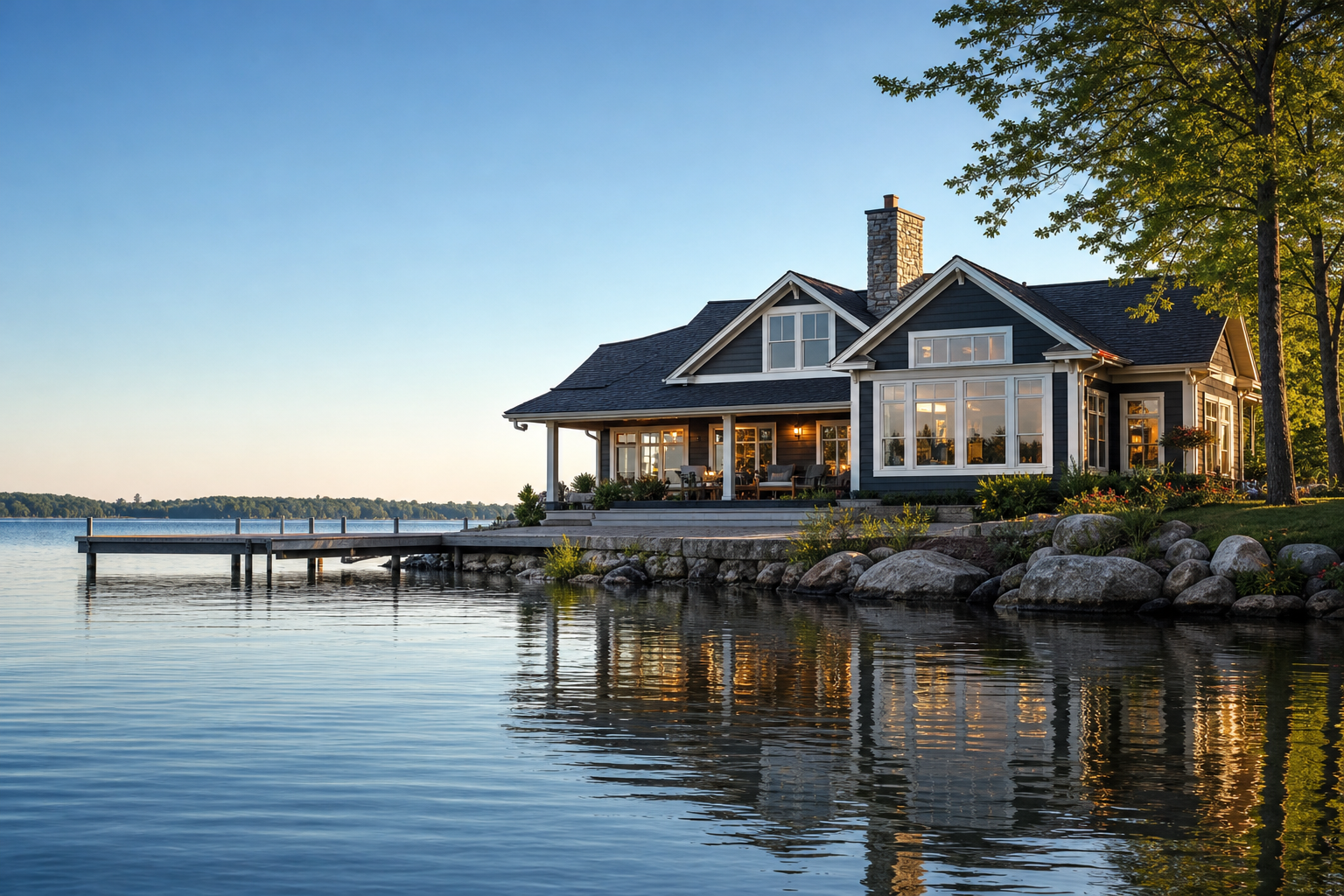

How to Compare Taxes, Schools, Outdoor Recreation, and Lifestyle Before Buying a Second Home
Buying a second home is about more than finding a beautiful destination. Whether you're looking for a coastal retreat, mountain getaway, golf community, or a place where family and friends can gather, choosing the right region can make a significant difference in your long-term enjoyment and financial planning.
The best relocation planning guides help buyers compare U.S. regions based on lifestyle, housing costs, taxes, schools, outdoor recreation, healthcare, and accessibility—not just home prices.
This guide explores six major U.S. second-home regions and explains what to consider before choosing a destination.
The best second-home region depends on how you plan to use the property.
Some buyers prioritize warm weather and year-round recreation. Others want mountain scenery, proximity to family, favorable tax conditions, or a community that could eventually become their primary residence.
Popular regions for second-home buyers include:
Each region offers different advantages depending on your budget, lifestyle, family needs, and long-term goals.
| Region | Lifestyle Advantages | Key Considerations |
|---|---|---|
| Southeast | Golf, beaches, boating, planned communities | Storm exposure, insurance, summer humidity |
| Florida and Gulf Coast | Warm winters, waterfront living, recreation | Flood risk, hurricane insurance, property taxes |
| Northeast and Mid-Atlantic |
Four-season living, family accessibility, coastal and mountain retreats |
Property taxes, winter maintenance, seasonal demand |
| Mountain West | Skiing, hiking, scenery, outdoor adventure | Wildfire exposure, altitude, snow, accessibility |
| Southwest | Golf, desert scenery, mild winters in many areas | Extreme summer heat, water availability |
| Pacific Coast and Northwest | Ocean, mountains, forests, outdoor recreation | Housing costs, wildfire or earthquake exposure, local regulations |
This comparison is a starting point. Conditions and costs can vary considerably between communities within the same state.
The Southeast is a popular region to explore for second-home buyers seeking coastal destinations, golf communities, and opportunities for year-round outdoor living.
North Carolina, South Carolina, Georgia, and Tennessee offer a wide variety of settings, from oceanfront communities to mountain retreats and lakefront neighborhoods.
Property taxes, homeowners insurance, hurricane exposure, flood zones, and homeowners association fees should all be part of the buying decision.
For mountain properties, buyers should also evaluate road access, steep terrain, and seasonal weather.
Best suited for: Buyers interested in coastal recreation, golf, outdoor amenities, and communities that could accommodate a future retirement move.
Florida and the broader Gulf Coast attract buyers interested in warm winters, beaches, boating, fishing, and resort-style communities.
Destinations range from Florida's Atlantic and Gulf coasts to waterfront communities in Alabama, Mississippi, Louisiana, and Texas.
Coastal insurance expenses, flood exposure, condominium association finances, special assessments, and property maintenance are especially important.
Buyers should also understand that tax exemptions available to primary residents may not apply to second homes.
Best suited for: Buyers who prioritize warm winters, waterfront recreation, and active resort-style living.
For buyers living in major metropolitan areas, a second home within driving distance may offer greater flexibility than a destination requiring regular flights.
The Northeast and Mid-Atlantic provide coastal retreats, lake communities, mountain getaways, and historic towns.
Popular areas to research include New England, the Adirondacks, the Poconos, the Jersey Shore, Delaware, and the Chesapeake Bay region.
Property taxes, winter maintenance, heating expenses, seasonal rental regulations, and local housing prices can significantly affect ownership costs.
Best suited for: Buyers who value family accessibility, weekend travel, and seasonal lifestyle experiences.
Colorado, Utah, Idaho, Montana, and Wyoming offer mountain destinations with access to skiing, hiking, fishing, cycling, and national parks.
For buyers who enjoy an active outdoor lifestyle, these areas can provide year-round recreation.
Buyers should research wildfire risk, insurance availability, snow removal, altitude, road conditions, and seasonal access.
Some mountain destinations also have short-term rental restrictions or higher maintenance costs.
Best suited for: Buyers seeking outdoor adventure, mountain scenery, and four-season recreation.
Arizona, New Mexico, Nevada, and parts of Southern California offer desert and high-desert destinations popular with buyers seeking sunshine and distinctive scenery.
Golf communities, hiking trails, and low-maintenance properties are common attractions.
Extreme summer temperatures, water availability, cooling costs, landscaping restrictions, and seasonal population changes are important considerations.
Climate conditions vary significantly between lower-elevation desert communities and higher-elevation mountain towns.
Best suited for: Buyers who enjoy golf, sunshine, desert scenery, and an active winter lifestyle.
California, Oregon, and Washington offer a wide range of second-home settings, from coastal communities to forested mountain towns and lake destinations.
Housing prices, property taxes, insurance, wildfire exposure, earthquake risk, and local rental restrictions can vary widely.
Coastal properties may also require additional maintenance due to moisture and salt-air exposure.
Best suited for: Buyers who prioritize natural scenery, outdoor recreation, and access to coastal or mountain environments.
Taxes are one of the most important considerations when comparing second-home destinations.
However, a state with no individual income tax is not automatically the least expensive place to own a second home.
Buyers should consider several tax categories.
Property taxes depend on local assessments, tax rates, exemptions, and property classifications.
A second home may not qualify for the same homestead exemptions or assessment limitations available to primary residences.
State income taxes become especially relevant if you eventually relocate permanently, earn rental income, or maintain financial ties to multiple states.
Sales taxes, local taxes, and transaction-related expenses can influence your overall cost of living.
If you plan to rent your second home, research lodging taxes, rental income taxation, registration requirements, and applicable local regulations.
Important: Compare taxes at the property and local jurisdiction level rather than relying solely on statewide rankings. Consult qualified tax professionals before making decisions involving residency or rental income.
For additional research, explore the ideal-LIVING Tax-Friendly States..
Schools may not be the first consideration for every second-home buyer, but they can influence a property's long-term suitability.
Families purchasing a second home may want to evaluate:
School assignments and eligibility rules should always be confirmed with the appropriate district.
School quality is only one component of a broader community comparison, and ratings alone do not capture every family's educational priorities.
Outdoor recreation is often a primary reason people purchase a second home.
Rather than asking which region has the most amenities, consider which activities you will realistically enjoy.
| Lifestyle Preference | Regions Worth Exploring |
|---|---|
| Beaches and boating | Southeast, Florida, Gulf Coast, Pacific Coast |
| Golf and pickleball | Southeast, Florida, Southwest |
| Skiing and snow sports | Mountain West, Northeast, Pacific Northwest |
| Hiking and mountain scenery | Appalachians, Mountain West, Southwest, Pacific Northwest |
| Lakes and fishing | Southeast, Northeast, Mountain West, Pacific Northwest |
| Four-season outdoor activities | Northeast, Appalachians, Mountain West, Pacific Northwest |
Consider how weather, travel distance, accessibility, and seasonal conditions may affect how frequently you use the property.
A destination that looks appealing during a vacation may feel very different during an extended stay.
A good regional relocation comparison should include more than lifestyle photographs and housing prices.
Consider mortgage expenses, property taxes, insurance, utilities, association fees, maintenance, and travel costs.
Evaluate driving distances, airport access, flight availability, and the practical cost of visiting regularly.
Even if the property is primarily recreational, proximity to healthcare providers and emergency services is important.
Compare social activities, recreational facilities, golf, fitness, walking trails, and opportunities to meet neighbors.
Research severe weather, flooding, wildfire, water availability, and insurance considerations.
If rental income is part of your plan, investigate local restrictions, association rules, permitting, and occupancy taxes.
Consider whether the property could eventually become your primary residence or accommodate changing family needs.
Use this checklist to evaluate destinations consistently.
| Comparison Factor | Questions to Ask |
|---|---|
| Taxes | What are the actual property taxes? Are second-home exemptions different? |
| Housing | What is the purchase price and estimated annual ownership cost? |
| Schools | Which districts serve the property? What educational options are nearby? |
| Recreation | Which outdoor activities are available throughout the year? |
| Healthcare | How accessible are hospitals, specialists, and emergency services? |
| Travel | How long does it take to reach the property from home? |
| Insurance | What coverage is required, available, and affordable? |
| Community | Are there amenities, activities, and opportunities to socialize? |
| Rentals | Are short-term or seasonal rentals permitted? |
| Future plans | Could this become a full-time residence? |
A consistent checklist makes it easier to compare several destinations without overlooking important details.
The most useful relocation planning guides bring multiple decision factors together rather than focusing on a single city or community.
For second-home buyers, an effective research process includes:
ideal-LIVING helps prospective buyers explore destinations, research lifestyle communities, and learn more about places that may fit their goals.
Start with How to Choose the Right Place to develop a more focused relocation and second-home search.
Online research is valuable, but it cannot fully communicate what everyday life feels like in a community.
A destination may offer beautiful scenery and attractive amenities, but visiting can reveal practical differences in traffic, accessibility, neighborhood atmosphere, and seasonal conditions.
When possible, visit during different times of year and explore more than the tourist attractions.
You Won't Know Until You Go
Explore ideal-LIVING's Discovery Travel opportunities to learn about communities and destinations worth experiencing firsthand.
Popular regions include the Southeast, Florida and the Gulf Coast, Northeast and Mid-Atlantic, Mountain West, Southwest, and Pacific Coast. The best choice depends on lifestyle preferences, ownership costs, accessibility, and long-term plans.
Comprehensive relocation planning guides and local government resources can help buyers evaluate property taxes, school districts, recreation, housing costs, and community amenities. Because conditions vary locally, buyers should verify information for each specific destination.
They can be. Some jurisdictions offer homestead exemptions or assessment benefits only to qualifying primary residences. The tax treatment of a second home depends on state and local rules.
A 55+ community may appeal to buyers who want organized activities, recreational amenities, and an active adult lifestyle. However, occupancy rules and age restrictions may affect how the property can be used by family members or rented to others.
Compare climate, preferred activities, travel distance, insurance, maintenance, accessibility, and how frequently you plan to visit. Coastal and mountain properties may face different environmental risks and seasonal expenses.
The right second home should complement the way you want to spend your time, whether that means weekends near family, winters in a warmer climate, mountain adventures, or eventually relocating full-time.
By comparing U.S. regions through taxes, schools, outdoor recreation, community amenities, and ownership costs, you can make a more informed decision.
Ready to explore your options?
Explore Communities on ideal-LIVING and discover destinations that match your lifestyle, interests, and future plans.