The start of sea turtle nesting season in North Carolina begins around the first of May. The female sea turtles climb onto the beaches in search of the perfect spot to build her nest, or clutch. Each of these nests consists of about 120 eggs all about the size of a golf ball. Before the sea turtle lays her eggs she must dig out a hole that is about 2 feet below the surface. Once the mother is satisfied with her dug out chamber she deposits all of her eggs and covers them completely in sand to help camouflage them before she goes back into the ocean. Depending on the age of the female, she can have anywhere from 4 to 7 nests per season. Once the water temperatures begin to drop around August, the nesting season is over and the female turtles move in search of food and a place to survive until their next nesting season. Most female sea turtles nest every 2 or 3 years. Once placed the eggs usually take up to 60 days to incubate, but if they are nested in the shade they may take up to 100 days before they are ready to hatch.
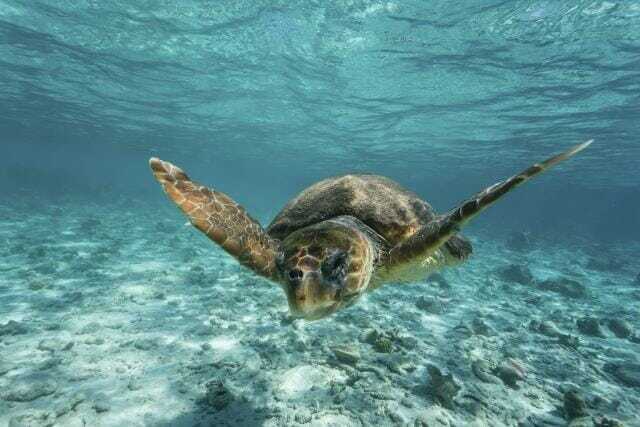
On the North Carolina shore we have three main species of sea turtles that come to shore during nesting season. The most common sea turtles being the loggerheads, as well as green turtles, and leatherbacks.
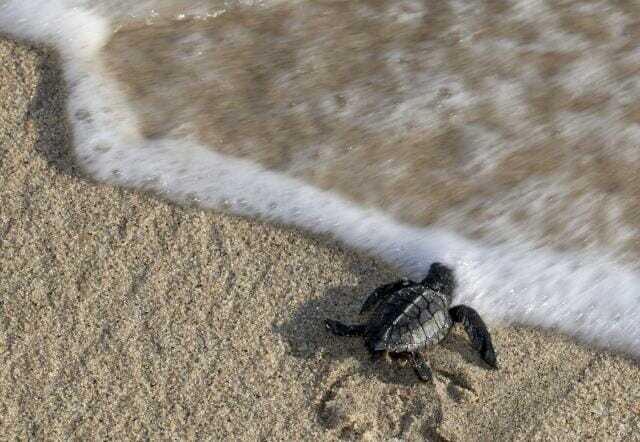
After a long season of monitoring the nests, and a clear sign that the eggs are going to hatch soon, volunteers sometimes build barriers to help the hatchlings safely find their way to the ocean. The young turtles take a few days to make it to the top of their nest, working together to dig their way out onto the beach to scramble out to the shore. This event is called a boil and it usually takes place during the middle of the night. Around this time volunteers and participants like to bring together a vigil to stay by the nest and watch this incredible experience. With the support of all their human fans the tiny turtles try to make their way across the beach and into the water, occasionally needing the assistance of a volunteer to keep it headed in the right direction. The assistance of all participants and volunteers is greatly appreciated, and is of incredible importance to keep these endangered animals from being swept away from our oceans forever.