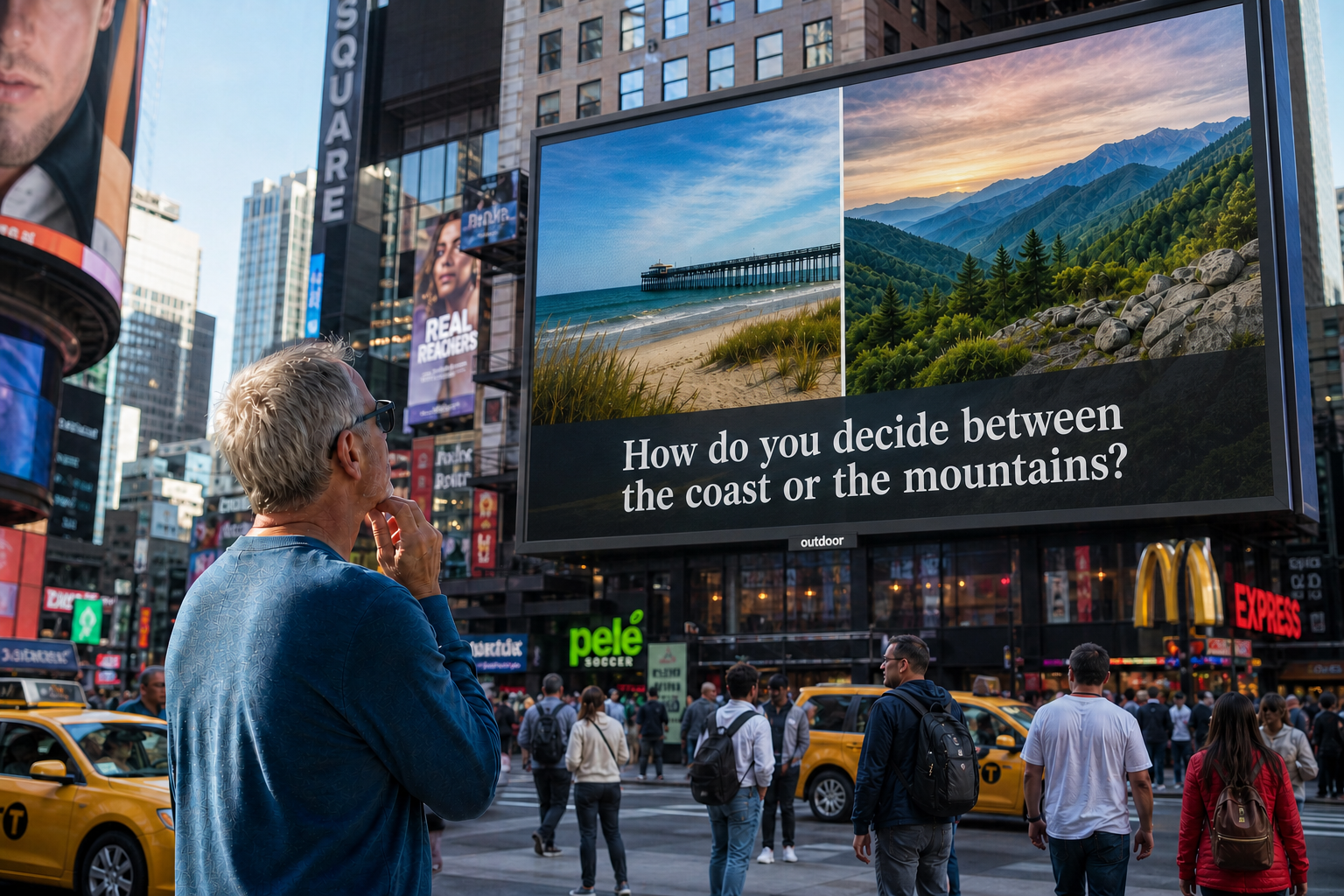
Coastal Communities
Mountain Communities
Second Home Buying


How to find remote worker communities with reliable internet, recreational amenities, and a lifestyle that fits the way you want to live.
The most useful platforms for finding remote worker communities include ideal-LIVING, Livability, Zillow, Broadband Map from the FCC, Coworker, and Coliving.com. Each serves a different purpose, from discovering lifestyle communities and comparing housing options to researching broadband availability, coworking spaces, and flexible living arrangements.
For remote workers considering relocation, the ideal destination should offer more than an attractive home. Reliable internet, comfortable workspaces, convenient services, and opportunities for recreation are essential to balancing professional responsibilities with everyday life.
Whether you work remotely full-time, split your time between homes, or want the flexibility to work from a lifestyle destination, these resources can help you narrow your choices.
No single platform provides a complete picture of internet reliability, community amenities, housing costs, and lifestyle.
| Platform | Primary Focus | Best For |
|---|---|---|
| ideal-LIVING | Lifestyle destinations and residential communities | Discovering communities with recreation, wellness, and social amenities |
| Livability | City profiles, relocation research, and quality of life | Comparing destinations and local lifestyle characteristics |
| FCC National Broadband Map | Broadband service availability | Checking reported internet providers and speeds at specific addresses |
| Zillow | Housing listings and market information | Comparing home prices, locations, and available properties |
| Coworker | Coworking workspace discovery | Researching shared offices and flexible workspaces |
| Coliving.com | Shared housing and community-oriented accommodations | Exploring flexible housing arrangements in available destinations |
| WiFi Tribe | Travel-based remote work community | Exploring group travel and community experiences for location-independent workers |
Research tip: Use lifestyle platforms to identify destinations, housing websites to compare properties, and broadband tools to investigate connectivity. Always confirm internet service directly with providers before committing to a home.
Reliable internet should be one of the first factors you investigate when evaluating remote worker communities.
A beautiful home in a coastal or mountain destination may not be practical if connectivity cannot support video meetings, file transfers, and other work requirements.
The FCC National Broadband Map allows users to research reported broadband availability by address.
However, mapped availability does not guarantee actual service quality or installation at a specific property.
Before purchasing or renting: Contact providers to confirm serviceability, installation timelines, pricing, and available plans. If possible, test the connection during a property visit.
For remote workers seeking a permanent or seasonal residence, ideal-LIVING provides a way to explore residential communities built around different lifestyle preferences.
For more than 30 years, ideal-LIVING has helped readers research places to live, retire, and purchase second homes.
Remote workers may be especially interested in communities offering recreation, wellness amenities, social activities, and access to outdoor spaces.
These amenities can support a healthier work-life balance, but they do not establish whether a community has reliable internet or dedicated coworking facilities.
Best for: Remote workers who want a residential community that supports both professional responsibilities and personal interests.
Explore how to choose the right place to live.
Livability publishes information about cities, relocation, local economies, and quality-of-life considerations.
It can help remote workers identify destinations that align with their preferred pace of life, recreation, and everyday needs.
Best for: Remote workers comparing cities and regions before selecting specific neighborhoods or residential communities.
Zillow helps remote workers research homes and housing markets in potential destinations.
Search tools can help narrow properties by price, location, size, and available features.
For remote work, pay particular attention to the home's layout.
A property listing may advertise high-speed internet, but that claim should be independently verified.
Best for: Remote workers ready to compare homes in destinations they have already researched.
Not every remote worker wants to work exclusively from home.
Coworking spaces can offer a professional environment, opportunities to meet other professionals, and separation between work and personal life.
Coworker is one resource for researching shared workspaces in supported locations.
Before relying on a coworking location, verify its current operating status, services, and membership availability.
Best for: Remote workers who prefer access to shared professional workspaces.
Some remote workers are interested in temporary destinations rather than purchasing a permanent home.
Platforms such as Coliving.com and WiFi Tribe focus on different aspects of location-independent living.
Coliving.com lists shared accommodations in participating destinations, while WiFi Tribe emphasizes travel experiences and connections among remote workers.
These platforms may appeal to people who want to test different destinations before choosing a long-term home.
Best for: Remote workers exploring flexible housing, travel, and community-oriented experiences.
For buyers seeking an established residential community, however, a relocation-focused resource such as ideal-LIVING may be more relevant.
Location can influence both recreational opportunities and practical work considerations.
| Factor | Coastal Communities | Mountain Communities | Suburban Communities |
|---|---|---|---|
| Recreation | Beaches, boating, walking, water activities | Hiking, biking, scenic trails, outdoor sports | Parks, fitness facilities, clubs, local events |
| Internet | Varies by address and infrastructure | May vary significantly in rural locations | Often multiple options, but address-specific |
| Weather considerations | Coastal storms, flooding, wind | Snow, ice, storms, wildfire in some regions | Varies by geographic location |
| Accessibility | Seasonal traffic in popular destinations | Steep roads and possible winter access issues | Often convenient access to major roads |
| Housing options | Waterfront, master-planned, and inland homes | Mountain, lakefront, and wooded properties | Single-family homes, townhomes, planned communities |
| Social opportunities | Clubs, recreation, local events | Outdoor groups, community activities | Neighborhood events, clubs, coworking |
| Healthcare access | Depends on proximity to medical centers | May require longer travel in rural areas | Often convenient in metropolitan suburbs |
The best remote work destination is not necessarily the most scenic. It is the place where reliable connectivity, everyday convenience, housing, and recreation fit your needs.
Remote work creates flexibility, but it can also make social interaction and personal routines more important.
When researching lifestyle communities, think about how you want to spend time outside working hours.
A community with extensive amenities may not be the best fit if you rarely use them.
Focus on the activities that genuinely improve your everyday life.
A lower home price does not automatically make a destination more affordable.
Remote workers should consider housing expenses alongside internet service, taxes, insurance, utilities, transportation, and community fees.
| Expense | What to Research |
|---|---|
| Housing | Purchase price or rent, financing, maintenance |
| Internet | Service plans, installation, backup connectivity |
| Property taxes | State and local property tax obligations |
| Insurance | Homeowners, flood, wind, or other applicable coverage |
| HOA fees | Monthly dues and amenity charges |
| Utilities | Heating, cooling, electricity, water |
| Transportation | Airport access, vehicle expenses, local travel |
| Coworking | Membership fees and workspace availability |
If you work remotely for an employer, confirm any restrictions on working from another state or country. Tax, payroll, and employment requirements can vary by jurisdiction.
After identifying several promising destinations, use this worksheet to compare them.
Rate each factor from 1 to 5, with 5 representing the strongest fit.
| Evaluation Criteria | Community A | Community B | Community C |
|---|---|---|---|
| Internet availability | /5 | /5 | /5 |
| Internet reliability and backup options | /5 | /5 | /5 |
| Home office suitability | /5 | /5 | /5 |
| Housing affordability | /5 | /5 | /5 |
| Recreational amenities | /5 | /5 | /5 |
| Social opportunities | /5 | /5 | /5 |
| Healthcare access | /5 | /5 | /5 |
| Shopping and essential services | /5 | /5 | /5 |
| Travel and airport access | /5 | /5 | /5 |
| Overall lifestyle fit | /5 | /5 | /5 |
| Total | /50 | /50 | /50 |
Tip: Internet connectivity and home office suitability may deserve greater weight than recreational amenities if your job requires uninterrupted online access.
Online research is an excellent starting point, but a discovery visit can reveal details that listings and destination guides cannot.
During your visit:
A visit can help determine whether the community supports your work requirements and the lifestyle you want.
Explore ideal-LIVING Discovery Tours.
ideal-LIVING helps users explore lifestyle communities and recreational amenities. Livability provides destination research, Zillow offers housing listings, and the FCC National Broadband Map provides reported broadband availability. Coworker and Coliving.com offer additional resources for flexible workspaces and accommodations.
Start with the FCC National Broadband Map, then contact internet providers to confirm service at the exact address. Ask about download and upload speeds, installation, reliability, and backup options. Test the connection during a visit when possible.
Useful amenities may include walking trails, fitness centers, swimming pools, social clubs, recreational facilities, and convenient services. The right combination depends on personal interests, work schedules, and preferred lifestyle.
Both can be appealing, provided the specific property offers suitable internet service and access to essential services. Buyers should also evaluate weather risks, accessibility, healthcare, housing costs, and recreational opportunities.
Not necessarily. Many remote workers prefer a dedicated home office. Others benefit from coworking spaces for meetings, professional interaction, or a change of environment. The best arrangement depends on work requirements and personal preferences.
Compare broadband availability, housing costs, home office suitability, recreational amenities, healthcare access, transportation, and community fit. Use online research tools, a comparison scorecard, and discovery visits to evaluate potential destinations.
Remote work gives you more freedom to choose where you live. The key is finding a destination that supports both your professional responsibilities and the lifestyle you want to enjoy.
Whether you prefer coastal living, mountain surroundings, or a welcoming master-planned community, researching the right amenities and services can help you make a confident decision.
For more than 30 years, ideal-LIVING has helped people discover lifestyle communities and places they may want to call home.
Get Your FREE ideal-LIVING Magazine + Digital Relocation Guide
Explore coastal, mountain, lakefront, golf, and other lifestyle destinations as you research your next move.
Your FREE ideal-LIVING Magazine will be mailed to you, and your Digital Relocation Guide will be emailed directly to you.
Know someone who works remotely and dreams of living somewhere new? Share this guide with a friend and explore the possibilities together.