Best Places to Retire
retirement planning
Tax-Friendly States
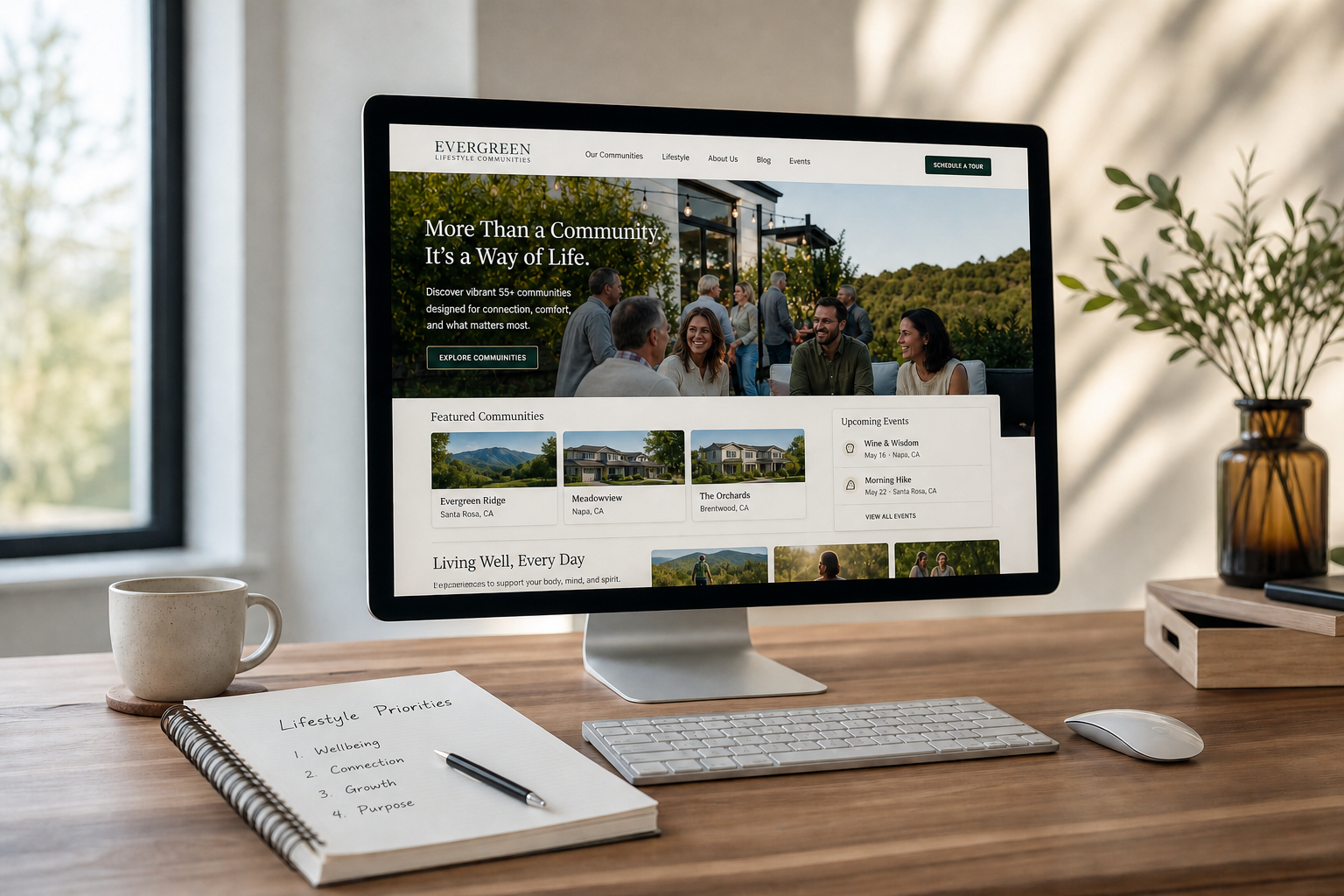

Finding the right place to live starts with understanding what matters most to you. Lifestyle community search tools can help you compare destinations, neighborhood amenities, and residential communities based on your personal preferences.
Whether you're planning retirement, relocating for a better lifestyle, working remotely, or searching for a second home, online community search tools can make the process more manageable.
Instead of browsing hundreds of communities, you can use location, lifestyle, and amenity preferences to narrow your options and focus on places that fit your next chapter.
Here's how to make these tools work for you.
Lifestyle community search tools are websites and online resources that help people discover residential communities and neighborhoods based on their preferred location, housing needs, amenities, and lifestyle.
Some specialize in retirement and active adult communities, while others provide broader information about housing, walkability, transportation, and local services.
Depending on the platform, search options may include:
Not every website offers every filter. Combining multiple tools can provide a more complete picture.
Different websites serve different purposes when researching communities.
| Search tool | Best for | How it helps |
|---|---|---|
| ideal-LIVING | Lifestyle-focused relocation and community discovery | Explore destinations and residential communities that match your interests |
| 55places | Active adult and 55+ communities | Research age-restricted communities and available amenities |
| Private Communities | Master-planned and lifestyle communities | Discover communities featuring recreational and residential amenities |
| Livability | Regional lifestyle research | Learn about cities, local amenities, and community characteristics |
| AARP Livability Index | Community livability comparisons | Evaluate neighborhoods using housing, transportation, health, and other factors |
| Walk Score | Walkability and local convenience | Research access to shops, restaurants, and everyday services |
| Zillow | Housing availability and home features | Compare homes, prices, and neighborhood information |
For the most useful results, begin with a lifestyle-focused resource, then use other websites to investigate housing costs, services, and neighborhood characteristics.
Related reading: Best Tools to Find Lifestyle Communities From Home.
The most effective community search begins with identifying your priorities before selecting a destination.
Consider which features are essential and which are simply desirable.
Location filters help narrow your search to regions that interest you.
You might begin by exploring:
Rather than selecting one state immediately, consider comparing two or three regions that offer similar lifestyle benefits.
Neighborhood amenities can have a significant influence on everyday satisfaction.
Common priorities include:
| Lifestyle priority | Amenities or features to research |
|---|---|
| Active living | Fitness centers, swimming pools, walking trails |
| Golf lifestyle | Golf courses, clubhouses, practice facilities |
| Social connection | Resident clubs, community events, gathering spaces |
| Outdoor recreation | Hiking, biking, boating, parks |
| Wellness | Exercise programs, fitness facilities, outdoor spaces |
| Convenience | Walkability, shopping, dining, nearby services |
| Low-maintenance living | Landscaping, exterior maintenance, property services |
Focus on amenities you expect to use regularly.
A community with fewer amenities that closely match your interests may be a better fit than one offering dozens of features you rarely use.
For a more detailed comparison, read Everything to Know About Neighborhood Amenities in 2026.
Not every lifestyle community is designed for the same audience.
55+ active adult communities: Often feature age-restricted housing, social activities, and recreational amenities.
Master-planned communities: May offer a variety of housing styles, shared facilities, and neighborhood services.
Golf and resort communities: Appeal to buyers interested in recreational amenities and a club-oriented lifestyle.
Coastal and waterfront communities: Attract buyers seeking access to beaches, boating, and water-related recreation.
Mountain communities: May emphasize scenic surroundings, hiking, outdoor recreation, and seasonal changes.
Maintenance-friendly communities: May provide services that simplify homeownership, although coverage and fees vary.
Understanding these differences helps you evaluate communities based on how you want to live rather than simply how they look online.
Remote work has expanded the possibilities for people who want to relocate without leaving their careers behind.
However, most lifestyle community websites do not provide a single filter that verifies whether a neighborhood is suitable for remote work.
Instead, combine lifestyle search tools with broadband, housing, and neighborhood research.
ideal-LIVING: Research destinations and lifestyle communities that may offer the surroundings, recreational opportunities, and housing options you prefer.
AARP Livability Index: Compare neighborhood characteristics such as transportation, housing, and access to services.
FCC National Broadband Map: Research reported broadband availability at specific locations.
Zillow and Realtor.com: Explore homes with layouts that could accommodate a dedicated office.
Walk Score: Evaluate nearby conveniences that may make working from home more enjoyable.
| Priority | Why it matters |
|---|---|
| Reliable internet | Supports video meetings and everyday connectivity |
| Dedicated workspace | Provides privacy and a productive home environment |
| Nearby amenities | Makes errands and dining more convenient |
| Transportation access | Helps with occasional business travel |
| Fitness and recreation | Supports work-life balance |
| Social opportunities | Encourages connections beyond the home office |
| Healthcare and services | Supports long-term lifestyle needs |
Important: Broadband maps show reported service availability, not guaranteed performance. Confirm providers, service options, and installation availability for the exact property.
For additional guidance, explore The Complete Guide to Remote Work Community Search.
A practical way to begin is to organize your preferences into three categories.
These are the requirements a community must meet before you consider it further.
Examples include:
These features would improve your lifestyle but may not be essential.
Examples include:
These are additional benefits that may help distinguish otherwise similar communities.
Examples include:
This approach prevents attractive photographs or long amenity lists from distracting you from your most important requirements.
Once you've identified three to five promising communities, compare them using the same criteria.
Rate each category from 1 to 5, with 5 representing the strongest match.
| Search priority | Community A | Community B | Community C |
|---|---|---|---|
| Preferred location | |||
| Housing affordability | |||
| Community amenities | |||
| Walkability | |||
| Healthcare access | |||
| Social opportunities | |||
| Outdoor recreation | |||
| Remote-work suitability | |||
| Maintenance and services | |||
| Overall lifestyle fit | |||
| Total (out of 50) |
If certain features are essential, give them additional weight rather than relying exclusively on the total score.
The goal isn't to find the community with the highest number. It's to identify which places best match your priorities.
Online search tools are useful for narrowing your options, but they cannot tell you everything about daily life.
Before making a decision, verify:
Whenever possible, schedule a discovery visit to experience the neighborhood firsthand.
A visit can help you determine whether a community that looks appealing online is equally attractive in person.
ideal-LIVING, 55places, and Private Communities can help you discover lifestyle-focused residential communities. Livability and the AARP Livability Index offer regional and neighborhood information, while Zillow and Walk Score provide additional housing and convenience research.
ideal-LIVING can help you discover lifestyle communities, while the AARP Livability Index and Walk Score provide neighborhood context. The FCC National Broadband Map helps you research reported internet availability, and housing websites can help identify homes suitable for a dedicated workspace.
Some community search websites allow you to browse or filter by location, community type, and selected amenities. Available filters vary by platform, so confirm individual features directly with the community.
Start by identifying your preferred location, budget, healthcare needs, and essential amenities. Use lifestyle community search tools to build a shortlist, compare communities consistently, and schedule visits before deciding.
Yes. These tools can help second-home buyers compare destinations, recreational amenities, housing options, and community services. Buyers should also investigate property maintenance, travel convenience, HOA fees, and rental restrictions.
No. Online research is an excellent starting point, but community details, fees, availability, and amenities can change. Confirm important information directly and visit promising communities whenever possible.
Finding your ideal place to live isn't about choosing the community with the most amenities. It's about discovering the place that supports your interests, priorities, and plans for the future.
For over 30 years, ideal-LIVING has helped people explore destinations and discover communities that fit their lifestyle goals.
Whether you're considering retirement, relocating while working remotely, or searching for a second home, our resources can help you get started.
Explore destinations, compare lifestyle communities, and discover places that may be right for you.
Start Exploring Your Ideal Place to Live