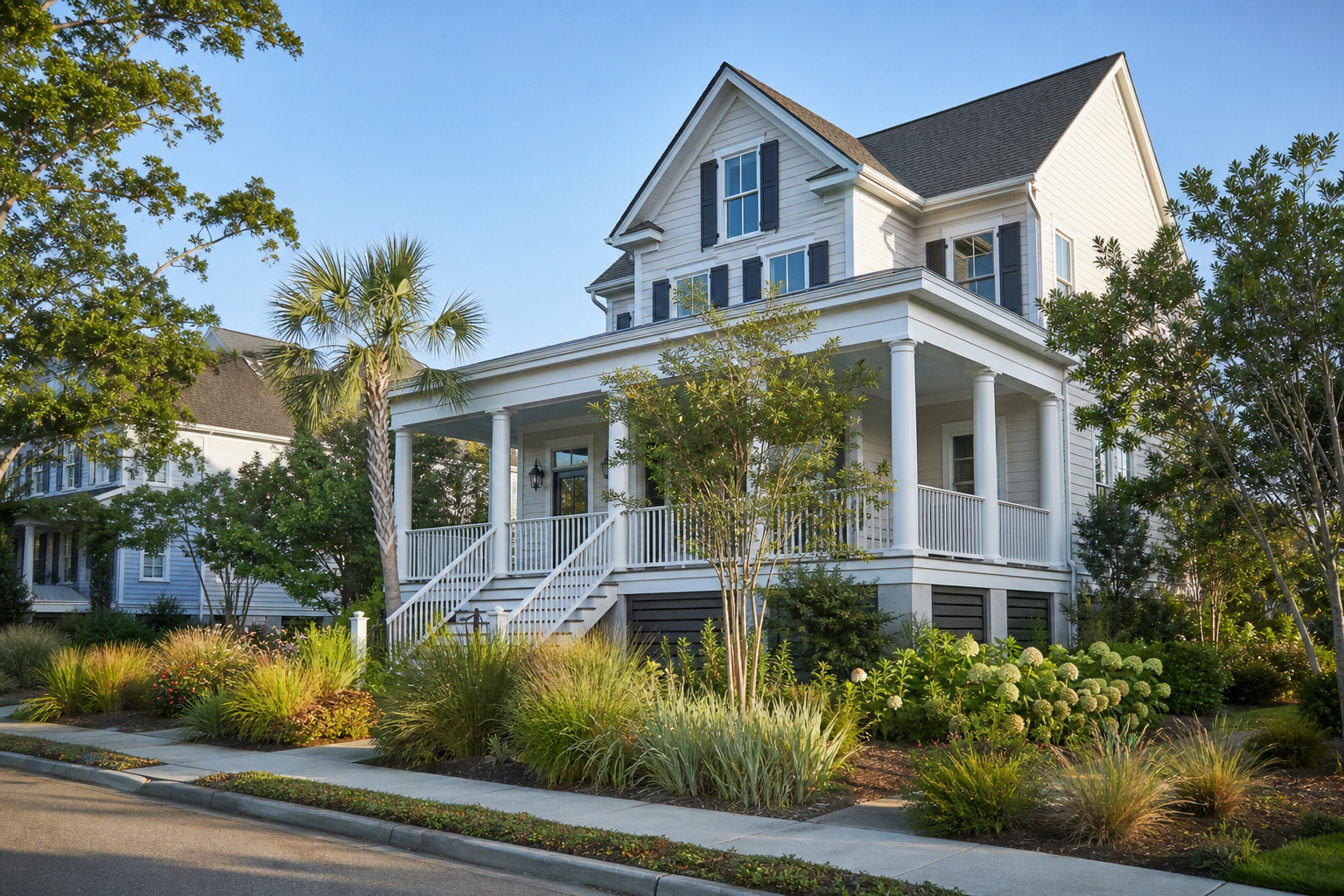
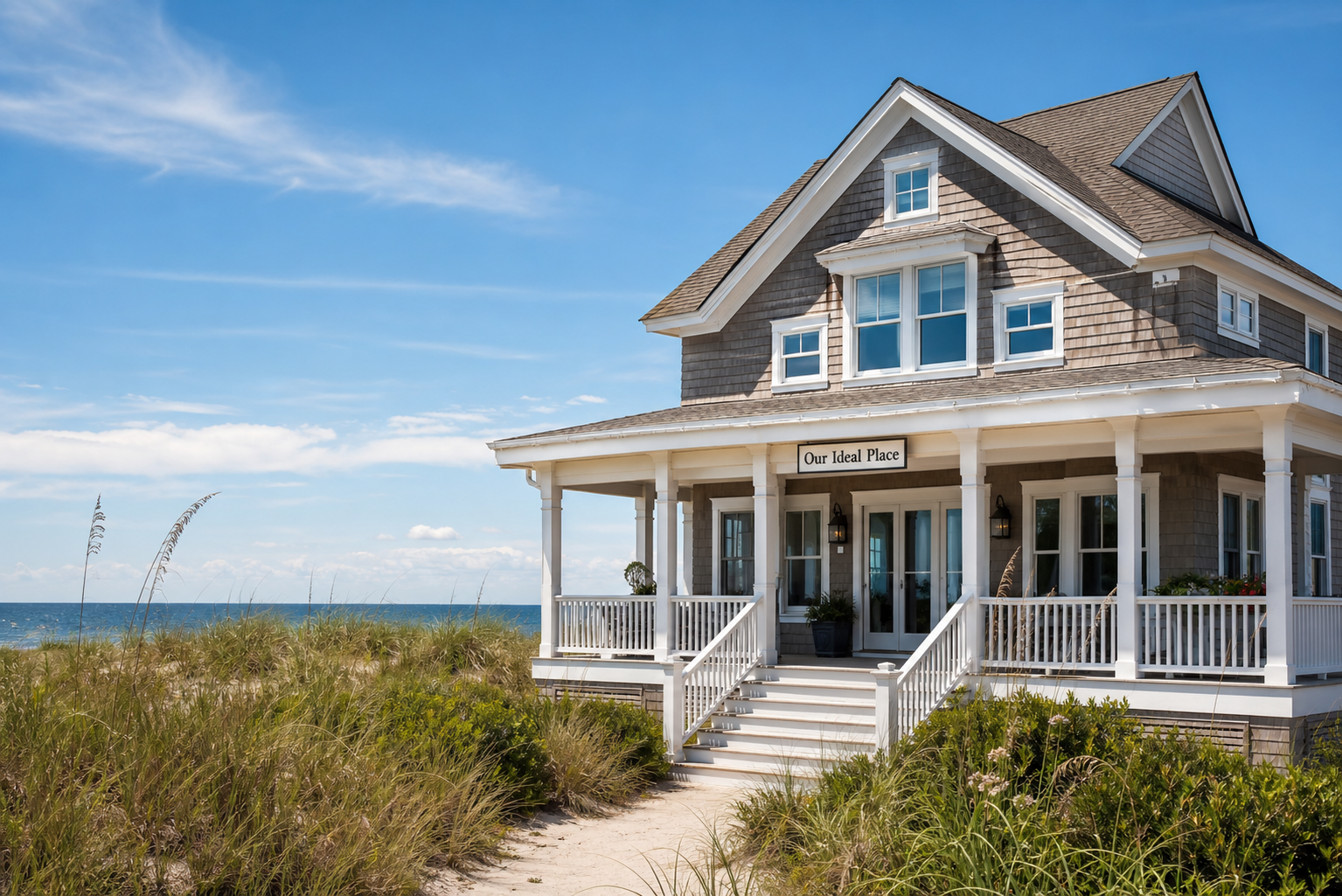
Should you buy a second home for the lifestyle you want today—or choose one that could eventually become your retirement home?
For many buyers, the best choice can potentially do both. A second home gives you an opportunity to enjoy a favorite destination now while experiencing what it might actually be like to live there later.
The key is to evaluate the property not just as a vacation destination, but as a possible future primary residence.
Can a Second Home Become a Retirement Home?
Yes. Using a second home before retirement can give you time to experience the destination during different seasons, explore nearby services, meet people, and determine whether the lifestyle works beyond a vacation.
If future retirement is a possibility, consider how your needs could change over the next 5, 10, or 15 years.
Choose for Everyday Life, Not Just Vacation
A place that's wonderful for a week isn't necessarily where you'll want to live year-round.
Look beyond the golf course, beach, lake, or mountain views and consider everyday necessities such as:
- Healthcare and hospitals
- Grocery stores and shopping
- Restaurants and entertainment
- Airports and transportation
- Social and recreational opportunities
- Access to family and friends
- Year-round climate
Ask yourself: Would I still choose this location if I weren't on vacation?
Consider the Home Itself
The property should also work for your future lifestyle.
A large multilevel vacation home may be appealing today, but could require more maintenance than you want later. Buyers considering a future retirement home may want to evaluate features such as main-level living, manageable square footage, low-maintenance exteriors, storage, outdoor space, and community services.
Look at the Community Beyond the House
Your surroundings can become increasingly important if the second home eventually becomes your primary residence.
Consider whether the community offers the amenities and social environment you want. Walking trails, fitness facilities, golf, pickleball, pools, clubs, restaurants, wellness programs, and community events can all influence how connected and active you feel.
Also consider whether you prefer a 55+ community, multigenerational neighborhood, resort-style community, or a quieter private setting.
Compare the Long-Term Costs
Think beyond today's purchase price.
Property taxes, insurance, HOA fees, club memberships, maintenance, utilities, and healthcare costs can affect whether the destination remains financially comfortable in retirement.
If you're comparing different states, also research how state and local taxes could affect your finances once the property becomes your primary residence.
Spend Time There Before You Decide
One of the advantages of owning a second home is the opportunity to experience a potential retirement destination before making a permanent move.
Visit during different seasons. Explore neighborhoods outside the resort areas. Drive to the grocery store. Find the nearest healthcare providers. Attend community events. Talk with residents.
The goal is to experience the destination as a local rather than a visitor.
Second Home or Retirement Home: Which Should You Choose?
If you're buying strictly for vacations, prioritize the location and lifestyle you'll enjoy most today.
If there's a possibility you'll eventually retire there, look further ahead. Consider healthcare, accessibility, cost of living, taxes, climate, community, amenities, transportation, and everyday convenience alongside the features that make the destination enjoyable now.
A second home can be more than a getaway—it can also provide an opportunity to test-drive the lifestyle you're considering for your next chapter. Before making the investment, explore Second-Home Living: Is It Worth It? for a broader look at the costs, benefits, and lifestyle considerations of second-home ownership.