
Active Adult Communities
retirement planning
Retirement Relocation
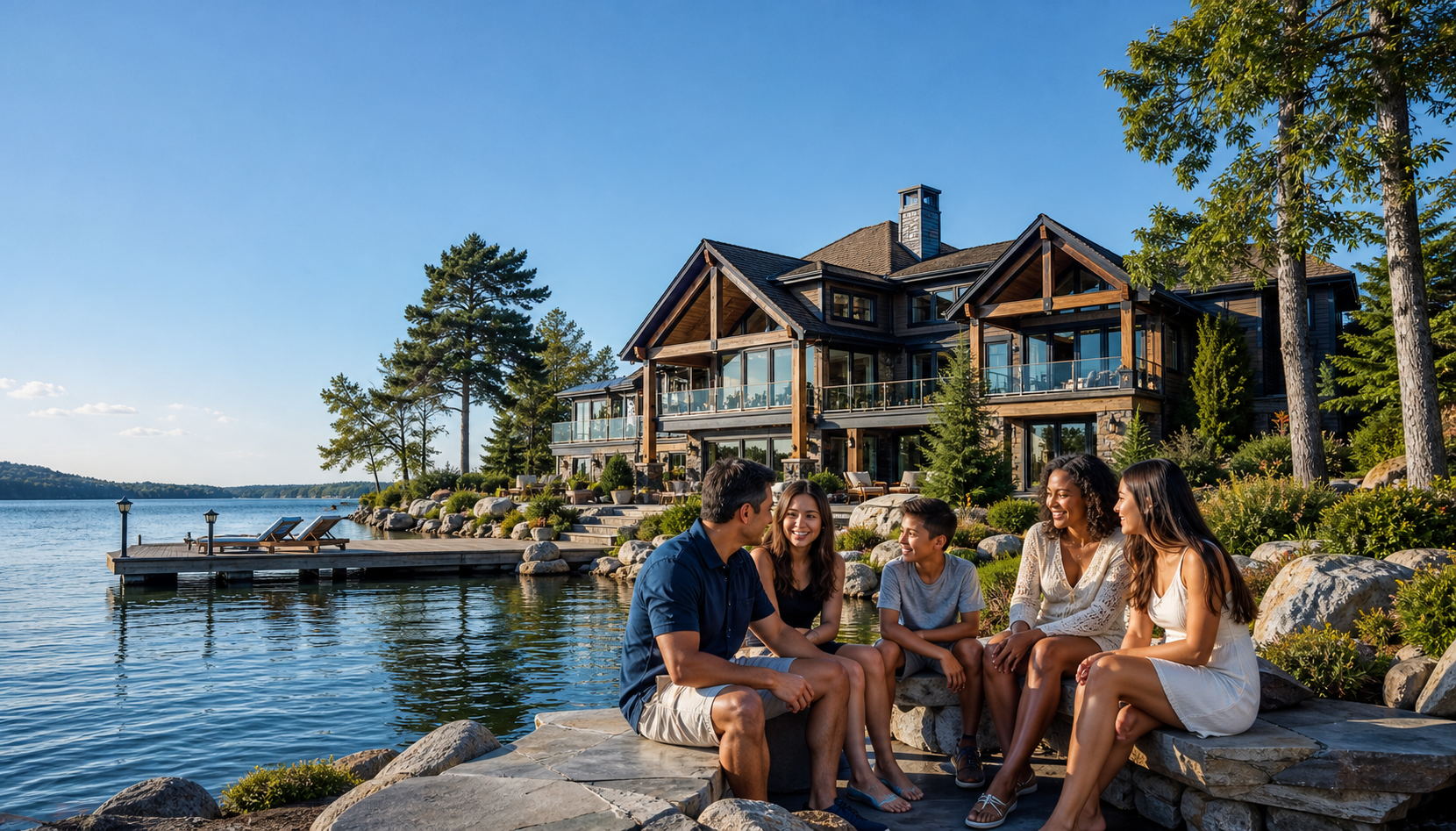

Compare U.S. destinations by taxes, schools, lifestyle, and year-round recreation to find the right place for your family's next chapter.
Buying a second home is about more than finding a beautiful property. It's about choosing a destination where your family can gather, enjoy new experiences, and create lasting memories.
Whether you're considering a coastal retreat, a mountain getaway, or a community close to children and grandchildren, the right location depends on how you plan to use your home today and in the years ahead.
The best relocation planning guides help buyers compare more than home prices. They consider property taxes, school options, accessibility, climate, recreation, and the long-term costs of owning a second home.
This guide explores family-friendly second-home regions across the United States and provides a practical framework for comparing destinations before making a purchase.
A great second-home destination should accommodate your family's lifestyle, budget, and changing needs.
Before choosing a region, consider five important factors:
The right balance will depend on whether you plan to visit occasionally, spend several months each year, or eventually relocate permanently.
Different regions offer distinct advantages. Some prioritize warm-weather recreation, while others appeal to families seeking mountain activities, four-season living, or proximity to major metropolitan areas.
| U.S. Region | Lifestyle Advantages | Recreation Opportunities | Important Considerations |
|---|---|---|---|
| Southeast Coast | Coastal towns, golf communities, milder winters | Beaches, boating, fishing, golf | Flood exposure, insurance, seasonal tourism |
| Florida | Warm climate, established resort communities | Beaches, boating, golf, theme parks | Insurance costs, storms, property taxes |
| Mid-Atlantic | Access to major cities, beaches, mountains | Hiking, beaches, cultural attractions | Local tax differences, seasonal weather |
| Northeast | Four-season destinations, established vacation areas | Skiing, lakes, hiking, coastal activities | Winter maintenance, higher costs in some markets |
| Mountain West | Scenic landscapes, outdoor-oriented communities | Skiing, hiking, biking, fishing | Wildfire risk, altitude, winter access |
| Pacific Northwest | Forests, lakes, mountains, coastal scenery | Hiking, boating, skiing, cycling | Rainfall, wildfire exposure, local housing costs |
Regional characteristics are general comparisons. Actual costs, school quality, insurance availability, and recreation options vary by location.
The Southeast Coast, particularly North Carolina, South Carolina, and Georgia, attracts second-home buyers seeking coastal recreation, welcoming communities, and relatively mild winters.
Popular areas to research include coastal North Carolina, the Myrtle Beach and Grand Strand region, the Charleston area, and Georgia's Golden Isles.
Why families consider this region:
What to compare: Coastal insurance, hurricane exposure, flood zones, property taxes, and access to year-round healthcare.
For buyers considering a permanent move later, the Southeast also offers opportunities to explore established active adult, golf, and master-planned communities.
Florida remains a popular destination for buyers who prioritize warm weather, water activities, and access to recreational amenities.
Regions worth exploring include Southwest Florida, the Treasure Coast, Northeast Florida, and Central Florida.
Why families consider Florida:
What to compare: Homeowners insurance, flood and hurricane exposure, HOA and condominium assessments, seasonal congestion, and property tax treatment.
Florida's homestead benefits generally apply to qualifying permanent residences rather than ordinary second homes. Buyers should calculate costs based on their intended use of the property.
The Mid-Atlantic can appeal to families who want a second home within driving distance of major population centers.
Destinations to explore include the Delaware beaches, Virginia's Shenandoah Valley, the Chesapeake Bay region, and mountain communities in western Maryland or Virginia.
Why families consider this region:
What to compare: Local property taxes, travel times, winter conditions, and seasonal rental restrictions.
For families who expect to use a second home frequently, convenient travel may be more valuable than a lower purchase price in a distant destination.
The Northeast offers established second-home destinations known for lakeside living, mountain recreation, and historic coastal communities.
Potential areas include the Adirondacks, Finger Lakes, Pocono Mountains, Vermont, and coastal New England.
Why families consider this region:
What to compare: Heating costs, snow removal, property taxes, winter accessibility, and local rules for seasonal properties.
Families considering retirement in the same property should also evaluate whether the location remains convenient during winter and as healthcare needs change.
The Mountain West appeals to buyers seeking expansive landscapes, outdoor recreation, and mountain-oriented lifestyles.
Areas to explore include parts of Colorado, Utah, Idaho, Montana, and Wyoming.
Why families consider this region:
What to compare: Altitude, wildfire exposure, insurance, winter road conditions, water availability, and distance to medical services.
Some resort destinations carry significant housing and maintenance costs. Compare communities beyond well-known vacation centers to understand the range of options.
The Pacific Northwest offers a combination of forests, mountains, lakes, and coastal environments.
Potential destinations include Washington's Olympic Peninsula, the Puget Sound region, Oregon's coast, and inland lake communities.
Why families consider this region:
What to compare: Seasonal rainfall, wildfire and earthquake risks, insurance, local property taxes, and access to healthcare.
Buyers should also evaluate the difference between a destination's summer vacation appeal and its year-round living conditions.
School quality may matter even when the property is not intended to be a family's primary residence.
Some buyers want to remain close to children and grandchildren. Others anticipate that younger family members may eventually use the home for extended stays or permanent relocation.
When comparing schools, research:
A second-home address does not automatically establish eligibility to attend local public schools. Residency and enrollment requirements vary by district.
Use official state education departments and individual school district websites for current information rather than relying solely on regional rankings.
One of the most important steps in a regional relocation comparison is calculating the full annual cost of ownership.
A state with no individual income tax is not necessarily the least expensive place to own a second home.
| Expense | Questions to Ask |
|---|---|
| Property taxes | What is the estimated annual bill for a non-primary residence? |
| Homeowners insurance | What coverage is available, and what does it cost? |
| Flood or wildfire insurance | Is additional coverage required or advisable? |
| HOA or condominium fees | What amenities and services are included? |
| Maintenance | What are the landscaping, heating, cooling, and repair costs? |
| Travel | How much will regular visits cost? |
| Rental restrictions | Are short-term or seasonal rentals permitted? |
| Future residency | Would taxes or exemptions change if the home became your primary residence? |
For reliable comparisons, review information from county tax offices, state revenue departments, insurance professionals, and local real estate specialists.
Tip: Build an annual ownership budget before comparing properties. A less expensive home can carry higher long-term costs because of insurance, taxes, travel, or maintenance.
The best destination depends on what your family enjoys doing together.
For beach and boating enthusiasts: Consider coastal North Carolina, South Carolina, Florida, Georgia, or the Chesapeake Bay region.
For skiing and mountain activities: Explore the Mountain West, Vermont, the Adirondacks, or other established mountain destinations.
For golf and resort amenities: Research planned communities in the Southeast, Florida, and selected Western destinations.
For hiking and nature: Consider the Blue Ridge Mountains, Pacific Northwest, and mountain communities throughout the country.
For cultural experiences and family attractions: Explore destinations within reach of metropolitan areas, historic towns, museums, and entertainment venues.
The key is to evaluate recreation throughout the year, not just during peak vacation season.
Relocation planning guides help buyers organize information about housing, taxes, lifestyle, climate, amenities, and geographic differences before selecting a destination.
Useful resources include:
For more than 30 years, ideal-LIVING has helped people explore destinations, compare communities, and make informed decisions about where to live, relocate, or retire.
Start with the ideal-LIVING guide to choosing the right place to organize your priorities and explore potential destinations.
Before narrowing your search, evaluate each destination using the same criteria.
| Comparison Factor | What to Evaluate |
|---|---|
| Family accessibility | Driving distance, airports, and frequency of visits |
| Housing budget | Purchase price and ongoing ownership costs |
| Taxes | Property taxes and applicable residency rules |
| Schools | District research and family educational needs |
| Recreation | Activities available throughout the year |
| Climate | Seasonal comfort and weather-related risks |
| Healthcare | Nearby hospitals, specialists, and emergency services |
| Community lifestyle | Amenities, social opportunities, and neighborhood character |
| Long-term potential | Suitability for retirement or permanent relocation |
Rather than choosing a location based on one attractive feature, compare how well each region supports your family's overall goals.
Online research is an excellent starting point, but it cannot fully capture what daily life feels like in a particular community.
Before purchasing a second home, plan a visit that goes beyond the typical vacation experience.
Spend time exploring local grocery stores, healthcare facilities, neighborhoods, restaurants, and recreational opportunities. If possible, visit during a season when you would normally use the property.
Community discovery visits and stay-and-play opportunities can also provide valuable firsthand insight into amenities, home styles, and the surrounding area.
Explore Discovery Travel opportunities with ideal-LIVING to begin researching destinations and communities you may want to experience firsthand.
Comprehensive relocation planning guides combine regional lifestyle information with housing costs, property taxes, school resources, and recreation options. ideal-LIVING provides relocation and community research resources, while official state and local sources can help verify school performance, tax rules, and location-specific costs.
Resources such as ideal-LIVING, regional relocation publications, local government websites, and community discovery platforms can help buyers compare destinations. The most useful approach is to combine broad regional research with detailed property-level information and firsthand visits.
Popular options include the Southeast Coast for beaches and golf, Florida for warm-weather recreation, the Mid-Atlantic for accessibility, the Northeast for four-season getaways, the Mountain West for outdoor adventure, and the Pacific Northwest for nature-oriented lifestyles. The best choice depends on budget, travel distance, and family priorities.
Yes, particularly if the property may eventually become a primary residence or accommodate younger family members. Research school district boundaries, enrollment requirements, educational programs, and family services before making a decision.
Not necessarily. Property taxes, insurance, HOA fees, maintenance, and travel expenses may outweigh potential tax advantages. Compare the complete cost of ownership rather than focusing on a state's income tax rate.
Yes. Many buyers choose destinations that support both vacation use and eventual full-time living. Consider healthcare, accessibility, climate, community amenities, and long-term maintenance before purchasing.
The best second home isn't simply a place to visit. It's a destination that fits your family's lifestyle, creates opportunities to spend time together, and supports your plans for the future.
Whether you're drawn to coastal living, mountain recreation, golf communities, or a welcoming town close to family, thoughtful research can help you make a more confident decision.
Ready to Explore Your Ideal Place to Live?
For more than 30 years, ideal-LIVING has helped people discover destinations and communities that fit their lifestyle.
Get your FREE ideal-LIVING Magazine and Digital Relocation Guide to explore communities, compare destinations, and take the next step toward finding your ideal place to live.